
Fall Yard Cleanup and Your Septic System: Southern MD Tips
Southern Maryland does fall right. The oaks, maples, and tulip poplars across Calvert, Charles, and St. Mary's County put on a great show, and then they drop every last leaf onto your lawn. November is cleanup month: raking, mulching, trimming, hauling brush, and getting the yard ready for winter.
What most homeowners don't think about is what's under that lawn. If your home is on septic, a few common fall chores can quietly damage your drain field or make your tank harder to service when winter arrives. Here's how to clean up the yard without creating a septic problem you'll find in the spring.
1. Don't Pile Leaves on the Drain Field
The open, sunny part of the yard is the easiest place to dump leaves, and on many properties that's exactly where the drain field is. A thick pile of wet leaves sitting there all winter holds moisture against the soil and blocks the sun and air that help the drain field do its job.
Your drain field relies on the soil above it to breathe and to let water evaporate. Smother it under a heavy leaf pile and the ground stays soggy, which slows how fast the system can absorb wastewater. A light layer of mulched leaves from the mower is fine. Deep piles, compost heaps, and leaf bags stored on top are not.
Not sure where your drain field is? Your county health department may have a record of your system, or a septic professional can locate it for you during a routine service visit.

2. Keep Burn Piles and Fire Pits Away
Fall is brush-burning season on a lot of rural Southern Maryland properties. Before you light a burn pile or set up a fire pit, make sure it's well away from the tank and drain field. High heat can damage the shallow pipes and the soil structure the system depends on, and plastic components like risers, lids, and distribution lines don't handle heat well.
Always check your county's current burn rules before burning, too. Restrictions can change with dry conditions.
3. Watch the Heavy Equipment
Fall is also when people rent the skid steer, haul in a load of firewood, or park a trailer full of brush on the lawn. The weight of vehicles and equipment compacts the soil over your drain field and can crack the pipes or distribution box underneath. That kind of damage often doesn't show up until weeks later as slow drains or wet spots.
Plan your work routes so trucks, mowers with trailers, wood splitters, and dumpsters stay off the drain field and tank. If you're unsure where the lines run, mark the area off with stakes before the work starts. We've seen firsthand how a single yard project can lead to an expensive repair. Read more in It Was a Busy Septic Year.
4. Point Downspouts Away From the System
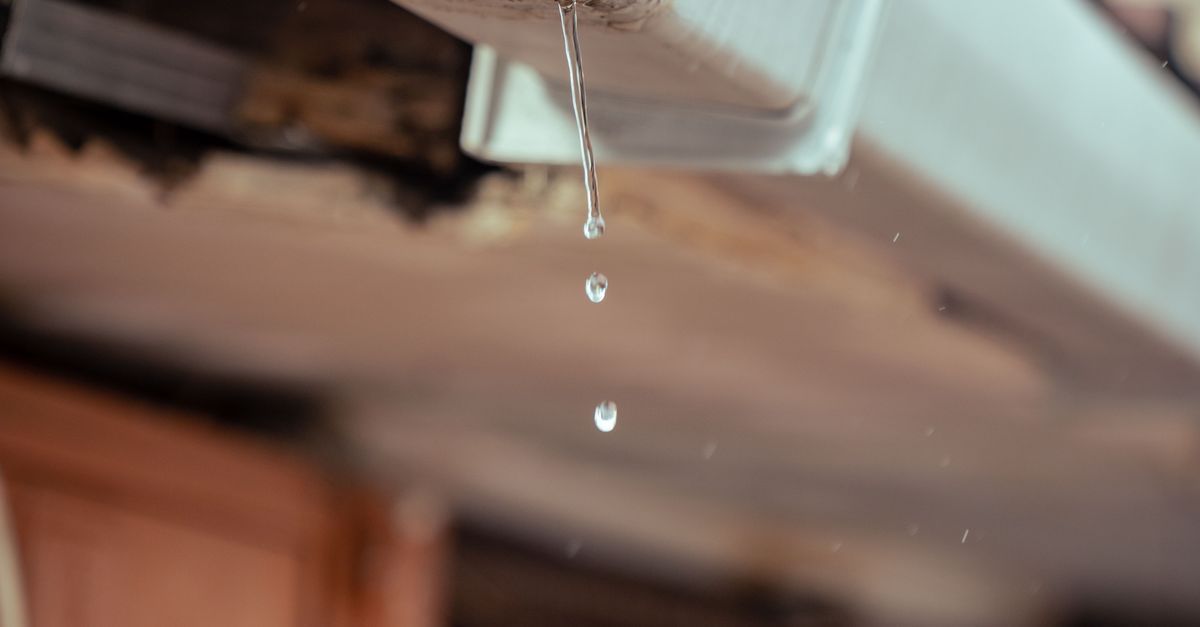
Gutter cleaning is on every fall to-do list. While you're up there, check where your downspouts drain. If they empty toward the drain field, every heavy rain sends extra water into soil that's supposed to be handling household wastewater. Late fall rains can saturate a drain field quickly, and a saturated drain field can't absorb what the tank sends it.
Extend downspouts or redirect them so roof water flows away from the tank and drain field. Our post on storm water management in Southern MD covers this in more detail.
5. Trim, Don't Plant
Fall is a popular time to plant trees and shrubs, but roots and drain fields don't mix. Tree and shrub roots go looking for water and nutrients, and your drain lines have plenty of both. Keep new trees and large shrubs well back from the system, and trim back anything already crowding it. Grass is the best cover for a drain field. See our post on why you shouldn't plant near drain fields for more.
6. Mark the Tank Lid Before Winter
If your tank lid is buried, now is the time to find it and mark it. Trying to locate a lid under frozen ground or snow in January makes any service call slower and more expensive. A simple stake or a garden marker does the job.
While you're at it, check that any risers or lids you can see are secure and undamaged. A loose or cracked lid is a safety hazard, especially with kids and pets in the yard.
Frequently Asked Questions
Can I mulch leaves over my septic drain field?
A thin layer of mulched leaves from a mower is fine and can even help the lawn. Avoid deep leaf piles, compost heaps, or stored bags of leaves on top of the drain field.
Is it safe to burn brush near my septic system?
Keep burn piles and fire pits well away from the tank and drain field. Heat can damage pipes, plastic lids, and the soil the system relies on.
Can I drive a truck over my drain field?
No. Vehicles and heavy equipment compact the soil and can crack drain lines and the distribution box. Keep all vehicles off the drain field year-round.
Why should I mark my septic tank lid in the fall?
Marking the lid before the ground freezes makes winter pumping or emergency service faster, easier, and less expensive.
A Cleaner Yard and a Healthier System
A few small habits keep fall cleanup from turning into a spring repair: keep leaf piles, burn piles, and heavy equipment off the drain field, point downspouts away, keep roots back, and mark your tank lid before winter.
If you're not sure where your system is, or it's due for pumping before the cold sets in, Southern Shore Septic Services is here to help homeowners across Calvert, Charles, and St. Mary's County. Contact us today to schedule service.
You might also like
Septic & Excavation Articles